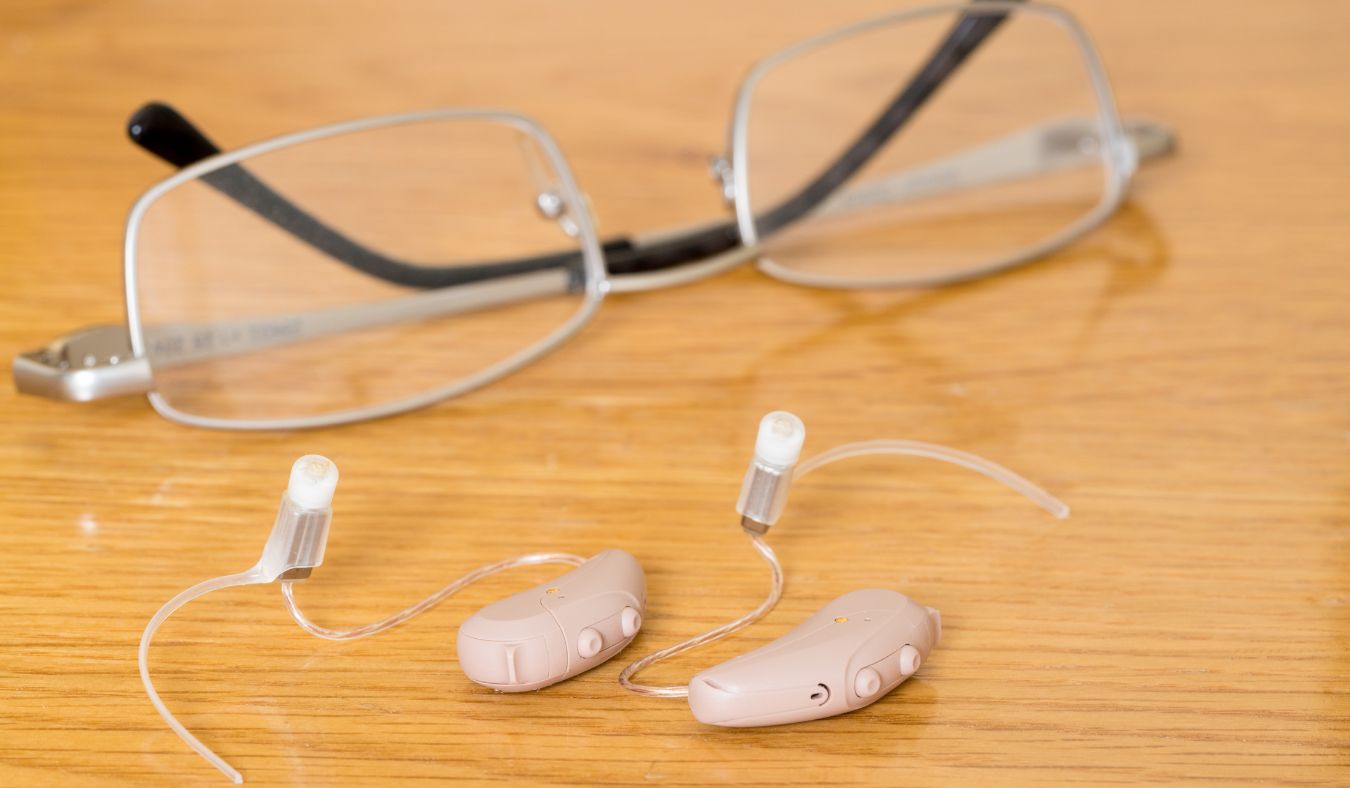
Rhode Island summer weather can turn quickly. You might be enjoying a warm afternoon at Rhodes on the Pawtuxet when a sudden downpour sends everyone looking for cover. For hearing aid wearers, that quick change in weather can create more than a little inconvenience.
Rain is only one source of moisture. Sweat during a walk, humidity on a muggy day or steam from a shower can all find their way into hearing aids. Even a small amount of moisture can interfere with how a device sounds or works.

A wet hearing aid does not automatically mean it is ruined. What you do next makes a difference, especially if your first instinct is to reach for a hair dryer or another source of heat. A few simple drying steps can help protect the device and prevent additional damage.

Where Moisture Can Catch Hearing Aid Wearers Off Guard

Cranston summers bring plenty of humidity, sudden rain and damp air, but weather is only part of the problem. Hearing aids also come into contact with moisture during routines that probably do not feel risky at the time. A little sweat or steam here and there is easy to overlook.

Common sources include:

  • Sweat from exercise, yardwork or time outside
  • Steam from a hot shower or cooking
  • A quick rainstorm while walking around town
  • Washing your face with hearing aids still in place

What Moisture Does Once It Gets Inside a Hearing Aid

Hearing aids contain microphones, receivers, wiring and other small components that depend on clean electrical connections. When moisture gets inside the casing, it can settle around those parts and interfere with how signals move through the device.

That is when you might start hearing static, distortion or changes in volume.

The effects are not always immediate. Moisture left inside a device can contribute to corrosion on metal contacts and other internal components. Repeated exposure increases the chance of performance problems and, in more serious cases, internal damage that requires repair.

How Hearing Aids Handle Everyday Moisture

Most hearing aids have some built-in protection against sweat, humidity and the occasional splash. The outer casing is usually treated to help repel water, while seals around certain openings help keep moisture away from the electronics inside.

Some parts of a hearing aid still need to stay open to do their job. Microphone ports and vents have to let sound and air through, so they cannot be completely sealed. Instead, manufacturers add protective barriers that help reduce how much moisture gets inside while still allowing the device to work properly.

These features provide useful protection, but water resistance is not the same as waterproofing. Built-in safeguards work best when they are paired with regular drying and careful handling.

What Your Hearing Aid’s IP Rating Actually Means

Many hearing aids carry an Ingress Protection, or IP, rating that describes how well the casing keeps out dust and moisture.

The first number refers to protection from solid particles, while the second refers to water resistance. Higher numbers indicate that the device passed more demanding laboratory testing.

IP68 is common on many newer hearing aids. The 6 indicates the highest level of dust protection, while the 8 means the device passed a manufacturer-specified water immersion test. That extra protection is reassuring if you get caught in the rain or accidentally splash your hearing aids.

An IP rating does not make a hearing aid waterproof. Swimming, showering and bathing still expose the device to more water than it is designed to handle during routine wear.

What to Do First if Your Hearing Aid Gets Wet

Once a hearing aid gets soaked, the first priority is getting it away from the moisture source and removing as much water from the outside as possible.

Take it out of your ear and turn it off, then gently blot the casing with a clean, dry cloth. Avoid shaking it, since that can move moisture farther into small openings.

If your hearing aids use disposable batteries, pop open the battery door and take the battery out. If yours are rechargeable, just power the device off instead of placing it straight into the charger while it’s still wet. Check the charging contacts and any exterior openings for visible moisture before you move on to drying it out.

A careful response at this stage is more useful than trying to force the hearing aid to dry quickly.

How to Dry a Wet Hearing Aid Safely

After wiping the outside, give trapped moisture time to leave the device. A hearing aid drying system or dehumidifier is designed for this purpose and can draw out moisture without exposing the electronics to excessive heat. If your model has a battery door, leave it open while the device dries.

Skip hair dryers, ovens, microwaves, radiators and other direct heat sources. High temperatures can warp the casing, damage internal components and create a much bigger problem than the original water exposure.

Give the hearing aid enough time to dry thoroughly before turning it back on. If it still sounds distorted, cuts in and out or does not power up afterward, it likely needs to be checked rather than repeatedly restarted.

Cleaning Hearing Aids After Water Exposure

After the hearing aid has been wiped dry, take a closer look at the areas where moisture and debris tend to collect. Earwax, skin oils and dust can gather around microphone openings, receiver ports and seams in the casing.

When those materials get damp, they can soften, spread or dry into a film that blocks sound openings and affects performance.

Use a clean microfiber cloth to wipe the outer shell, then gently brush around the microphone ports and other openings with a soft hearing aid brush. Hold the device so loosened debris falls away from the opening rather than deeper inside it.

If your hearing aid uses a removable wax guard, check it for visible buildup and replace it according to the manufacturer’s instructions if needed.

Keep the entire process dry. Do not use alcohol, soapy water, household cleaners or wet wipes unless your audiologist or manufacturer specifically recommends a product for your model.

Avoid pushing cotton swabs, pins or cleaning tools into microphone or receiver openings, since that can pack debris farther inside or damage the components beneath them.

Once the exterior is clean, return the hearing aid to the drying method recommended for your device.

Signs Your Hearing Aid Still Has Moisture Inside

A hearing aid can turn back on after getting wet and still have moisture affecting its performance. Problems sometimes show up later, especially once the device has been running for a while.

Watch for signs like:

  • Sound that becomes muffled, weak or distorted
  • Crackling, static or intermittent sound
  • Disposable batteries draining unusually quickly
  • Buttons or controls that stop responding normally

Daily Habits That Help Keep Hearing Aids Dry

Preventing water exposure usually comes down to a few habits that become automatic once they are part of your routine. Remove hearing aids before showering, swimming or using hair spray and other products that could reach the devices.

After exercise, yardwork or time outside in humid weather, wipe the casing before putting the hearing aids away.

Choose a dry storage area outside the bathroom and use a hearing aid drying system overnight if your audiologist recommends one for your model. For disposable-battery devices, also keep an eye on the battery door and make sure it closes normally without looseness or damage.

When a Wet Hearing Aid Needs a Professional Look

If your hearing aid dries out completely and it’s still silent, distorted or just not working right, something deeper than moisture on the surface might be going on. That’s when it’s time to bring it in.

Avoid taking the hearing aid apart yourself. Opening the casing can damage seals, disturb small components and potentially affect warranty coverage.

A professional check can also show which part of the hearing aid was affected. The problem could involve the microphone, receiver, battery contacts or another internal component, and each requires a different fix.

Pinpointing the source helps determine whether a simple part replacement is enough or a professional hearing aid repair is needed.

Protecting Your Hearing Aid from Water Keeps It Working Well

A little quick thinking after your hearing aids get wet can save you a trip to buy new ones. Most of the time, drying them out properly is all it takes to get things back to normal. Give it a day or so and pay attention to how your device sounds once it’s dry.

If something still seems off, whether it’s static or muffled sound, that is worth getting checked rather than waiting it out. Moisture damage is not always obvious right away, and catching it early can prevent a bigger repair down the road.

Cranston Hearing Center is here to help, so give us a call at (401) 382-0609 if you run into trouble.